


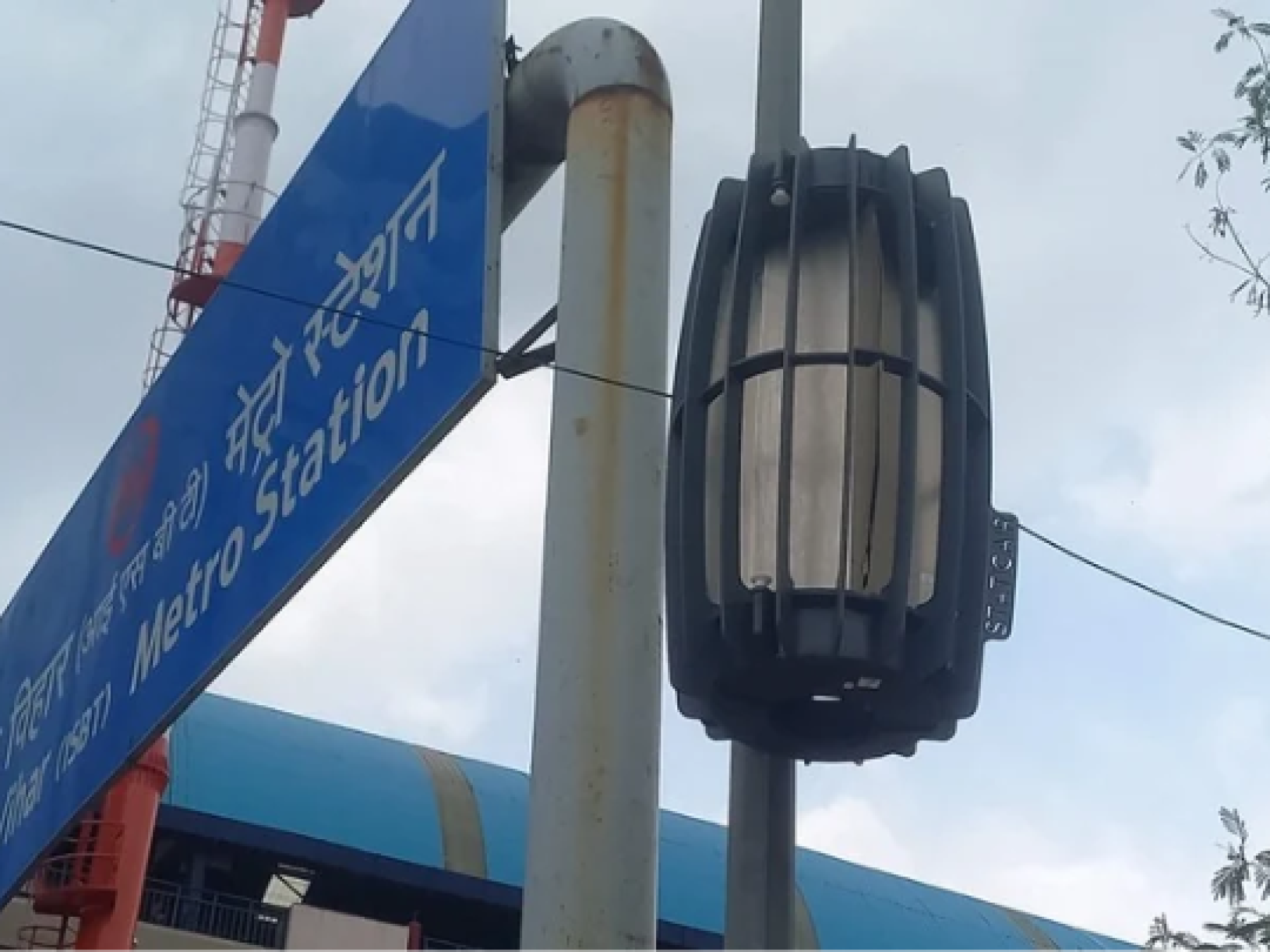

Anand Vihar is one of Delhi’s major public transport hubs, connecting busses, metros, railways and regional rapid transit services. Thousands of people pass through the area every day.
The project was carried out in partnership with the Delhi Pollution Control Committee (DPCC), a statutory pollution control body established in 1991 under the Government of the National Capital Territory of Delhi. The DPCC works on pollution control, environmental monitoring and the implementation of environmental laws across Delhi.
StaticAir’s Indian distributor partner, E&E Engineering, implemented the project on StaticAir’s behalf in India. Its keyrole was to bring the PAMARES installation to Anand Vihar.
Anand Vihar had repeatedly recorded severe air pollution. On 24 October 2025, its AQI stood at 420. It reached 421 on 1 January 2026 and climbed as high as 497 on 19 January 2026. Even when Delhi’s overall air quality improved, Anand Vihar remained in the Severe category.
Heavy transport activities and the large number of people passing through the area every day made local air quality a serious challenge. The open environment added another layer of complexity, as wind, humidity and changing pollution levels affected how particulate matter moved through the area.
The challenge was to introduce an outdoor air purification system suited to these conditions and measure its performance at the site.
Independent testing was needed to establish how effectively the system reduced particulate matter near the device under actual outdoor conditions.
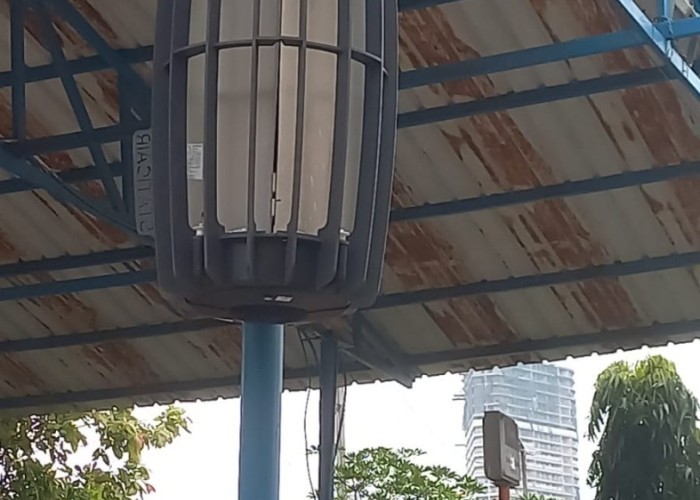
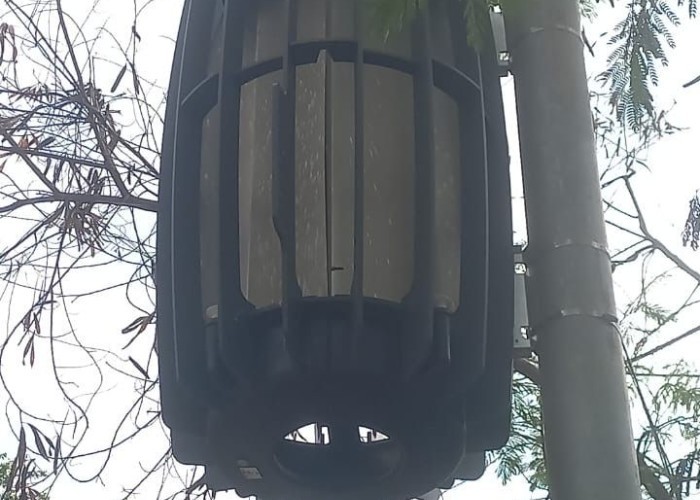
StaticAir deployed 20 PAMARES units across approximately 500 metres at Anand Vihar in partnership with the DPCC. E&E Engineering, StaticAir’s Indian distributor partner, carried out the implementation on StaticAir’s behalf in India.
PAMARES uses electrostatic precipitation to reduce airborne particulate matter. The system generates ions that charge suspended particles. These particles are then attracted to collecting surfaces within the device and removed from the surrounding air.
Unlike conventional systems that use fans to move air through filters, PAMARES allows ambient air to pass naturally through the system. Each unit consumes just 18 watts of power, operates silently and requires no filter replacements.
The installation brought outdoor air purification technology into a busy public transport area where outdoor conditions and pollution levels change throughout the day.
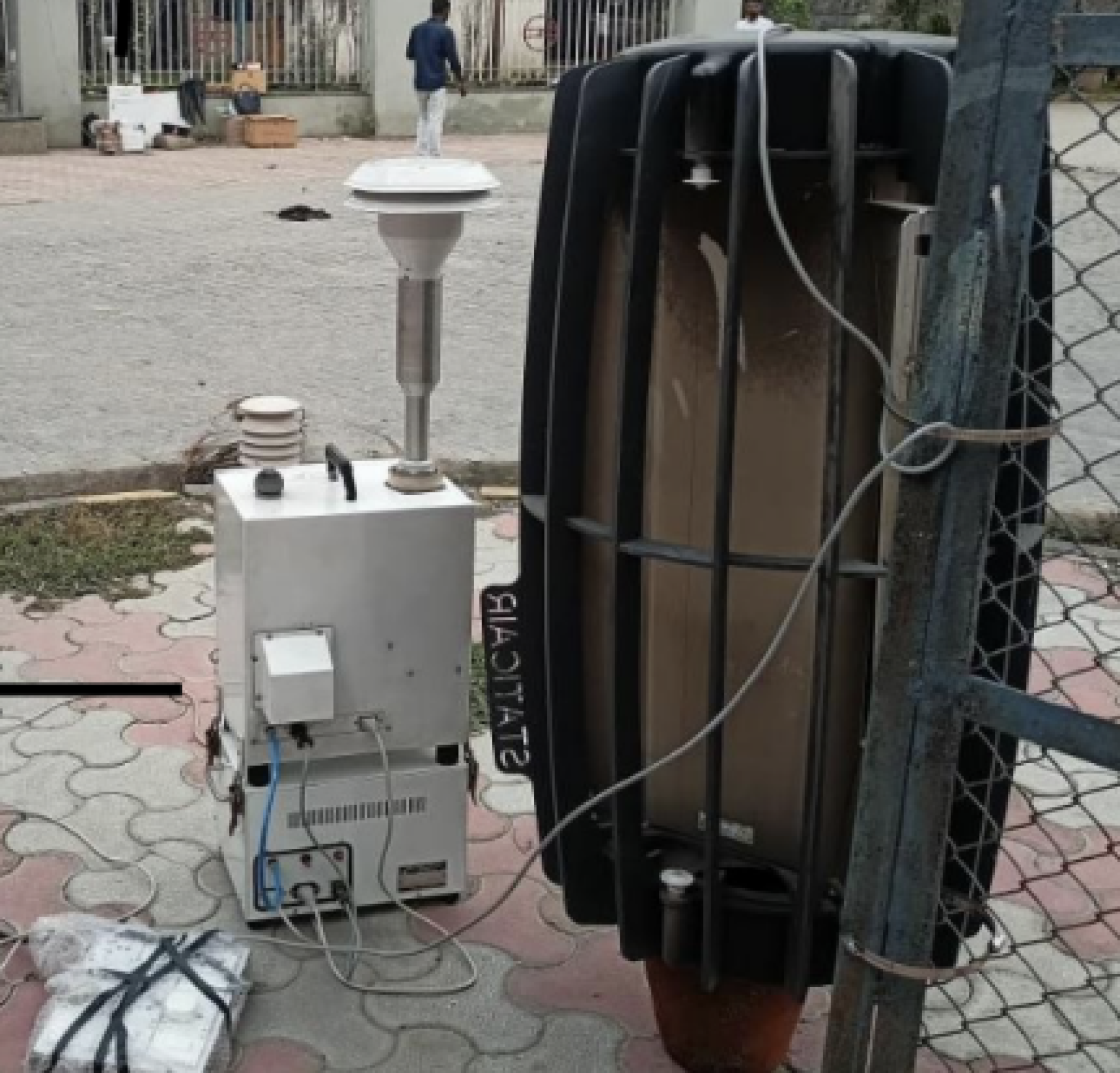
To assess the installation’s performance, CSIR–National Physical Laboratory (CSIR-NPL) conducted independent field testing at Anand Vihar Metro Station, Gate No. 3, on 13 and 14 August 2026.
Two samplers measured PM₁₀ concentrations simultaneously. One established the upstream baseline, while the other measured concentrations approximately one to two metres from the tested device. Each sampling period lasted six hours.
The independent tests recorded up to 43% PM₁₀ removal, with an average removal efficiency of 34% across the two test days.
Independent testing recorded up to 43% PM₁₀ removal on 14 August 2026, when the measured concentration fell from 148 µg/m³ upstream of the tested PAMARES unit to 84 µg/m³ downstream.
The two test days recorded removal efficiencies of 25% and 43%, resulting in an average of 34%. Both tests showed lower PM₁₀ concentrations downstream of the device.
CSIR-NPL’s assessment provides independent, field-based evidence of particulate reduction near PAMARES under actual outdoor conditions at Anand Vihar.
The installation demonstrates how outdoor air purification technology can be deployed in a busy public transport area used daily by commuters travelling by bus, metro, train and regional rapid transit.
The project provides documented field experience that can inform further evaluation of outdoor particulate reduction technology at other public spaces affected by air pollution.
Request Full Report