


Jaipur is a rapidly growing urban center with increasing vehicular density, particularly at major traffic junctions where commuters, pedestrians, and nearby vendors experience prolonged exposure to particulate air pollution. These locations often record higher pollution concentrations due to idling vehicles, congestion, and limited air dispersion.
While city-wide measures such as urban greening, emission norms, and mobility reforms play a critical role in long-term air-quality improvement, there remains a need for immediate, on-ground interventions that can reduce exposure at identified pollution hotspots.
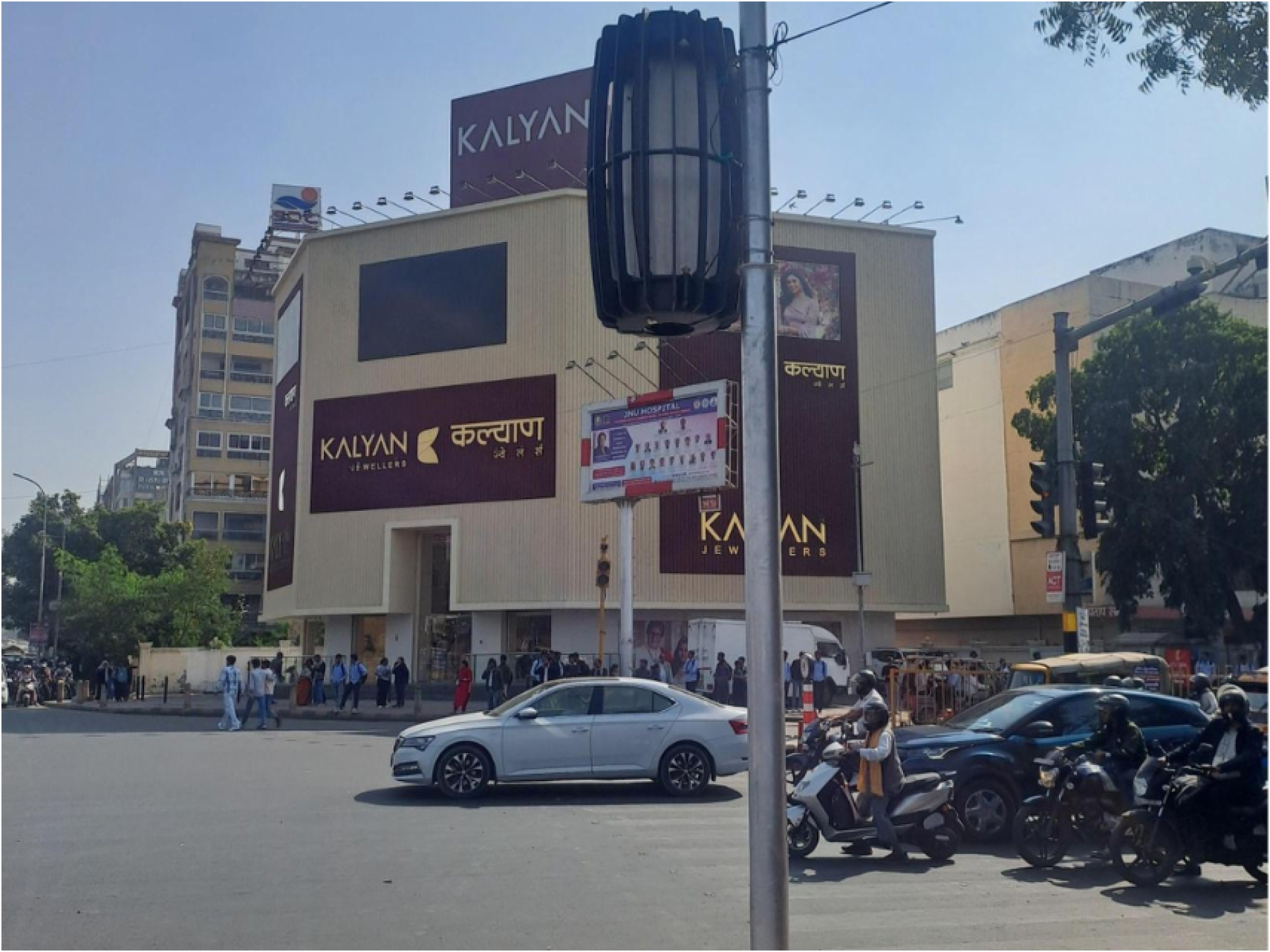
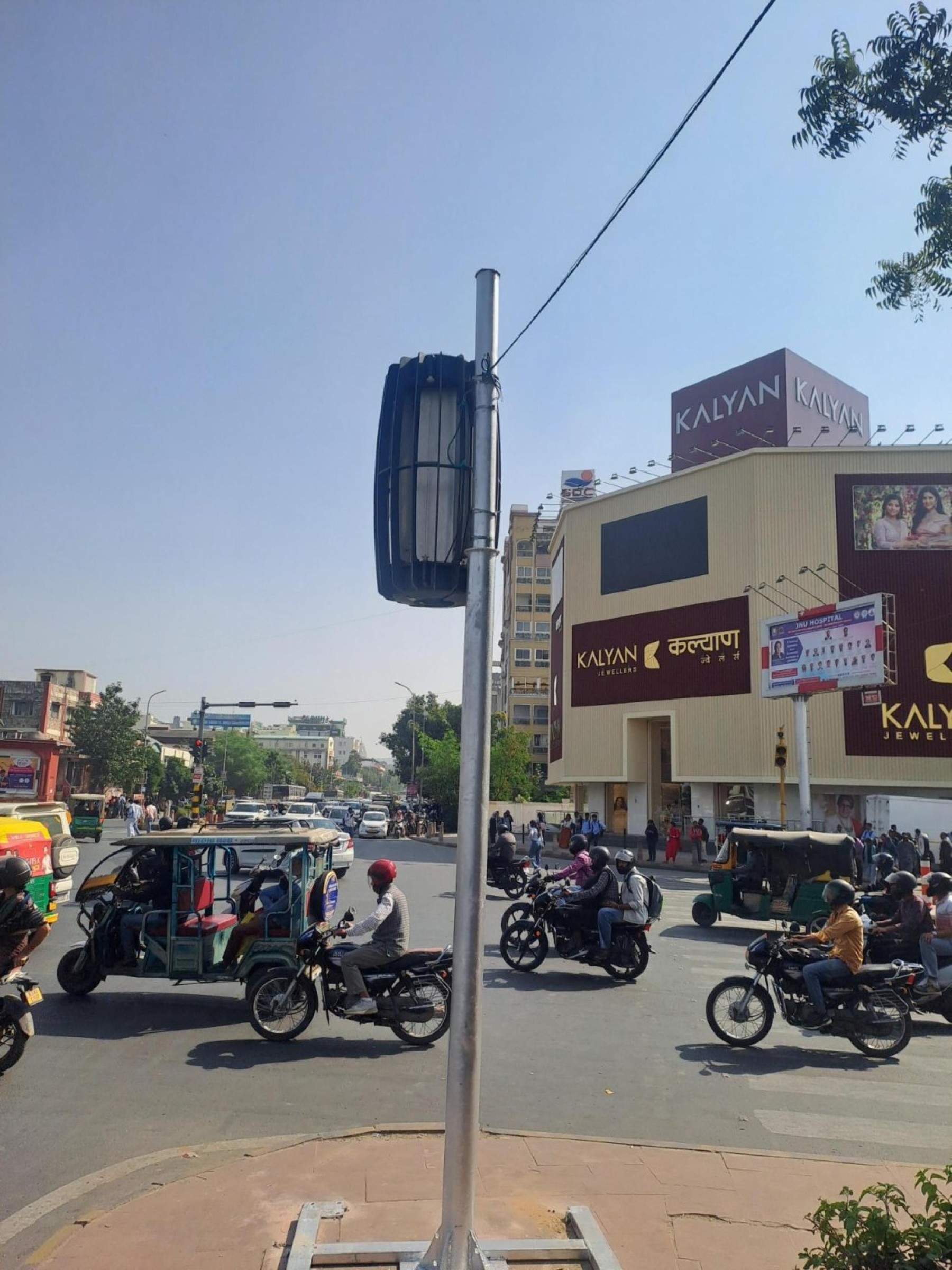
Rambagh Circle, one of Jaipur’s busiest intersections, was selected as a pilot location to deploy a localized outdoor air-purification system aimed at reducing particulate matter concentration in high-exposure public spaces.
The project addressed several practical and operational challenges:
High and continuous particulate pollution caused by dense traffic flow
Prolonged human presence in close proximity to emission sources
Limited physical space for large infrastructure modifications or extensive green buffers
Need for a solution capable of operating outdoors, continuously, and reliably
Requirement for low maintenance and minimal operational disruption
The objective was not to purify a large geographic area, but to lower particulate exposure at the breathing level in a real-world urban environment.
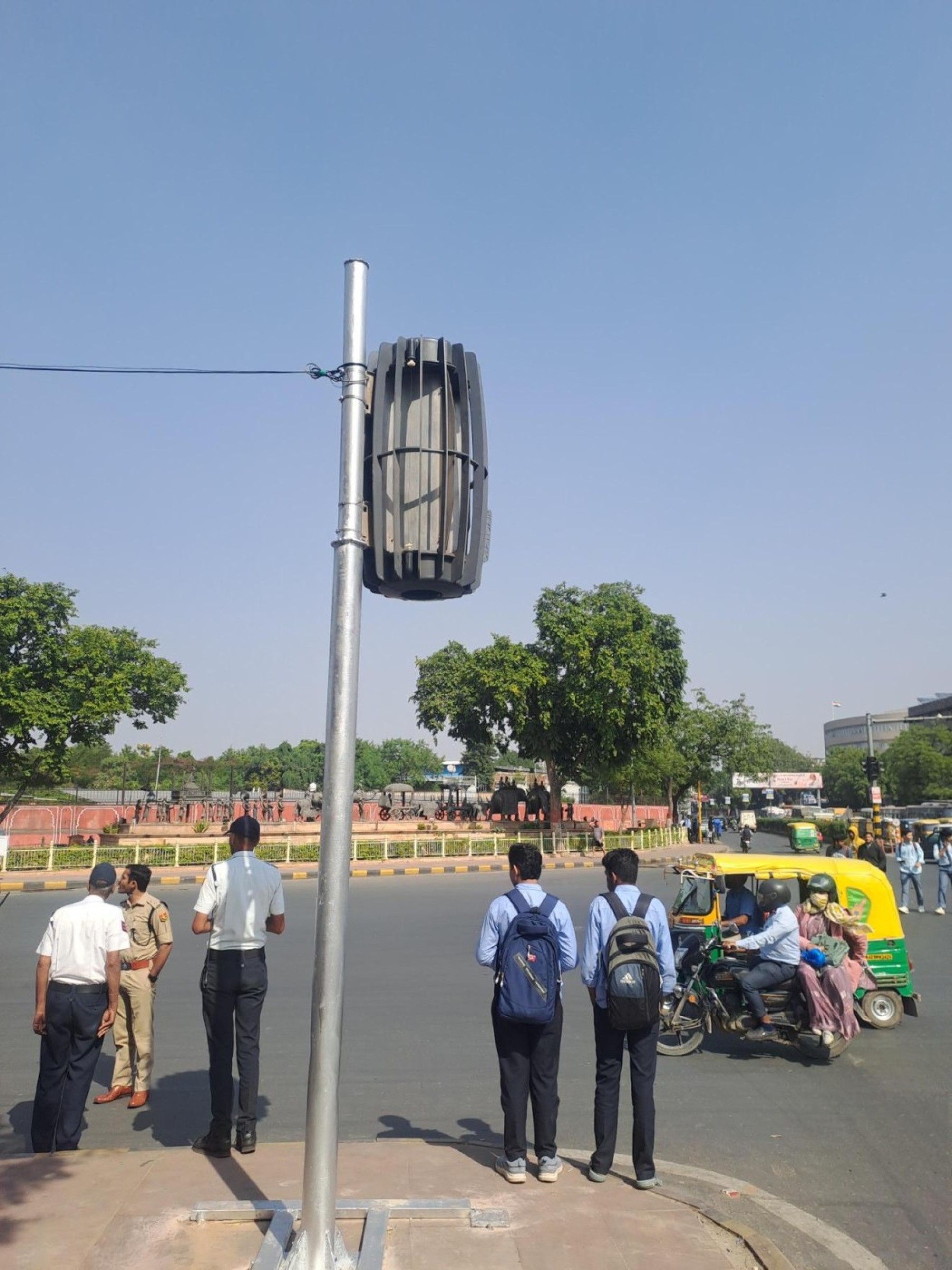
StaticAir deployed its PAMARES (Particulate Matter Reduction System) at Rambagh Circle as a targeted outdoor air-quality intervention.
The system is designed specifically for high-traffic urban hotspots and operates using electrostatic technology to capture airborne particulate matter without the use of conventional filters.
Key features of the PAMARES system include:
Capture of particulate matter ranging from PM0.1 to PM10
Filter-less electrostatic technology, reducing maintenance requirements
Low energy consumption, enabling continuous operation
Compact, pole-mounted design suitable for space-constrained urban settings
Rapid installation with minimal visual or structural impact
This configuration allowed the system to function effectively in a dense traffic environment while remaining unobtrusive and operationally efficient.
The installation at Rambagh Circle demonstrated the feasibility of localized outdoor air purification as part of an urban air-quality strategy.
Key outcomes included:
Reduction of airborne particulate concentration in the immediate vicinity of the installation
Improved air quality at pedestrian and commuter breathing height
Stable, continuous operation in an outdoor traffic environment
Minimal maintenance requirements due to the filter-less design
Seamless integration into existing urban infrastructure
This pilot installation validated the use of targeted air-purification systems at traffic junctions where exposure levels are highest and traditional mitigation measures are difficult to implement. It demonstrates how localized air-purification technology can complement broader air-quality initiatives by addressing pollution at critical exposure points. By focusing on practical deployment, operational reliability, and immediate impact, this installation provides a replicable model for similar high-traffic urban locations, across India and around the world.